Subscriptions and Bundles
Package Your Best Programs and Sell Them as Bundles
SimpliTrain lets training providers package courses into learning plan bundles and sell them as a single commercial product with one price and one checkout. You build the program once, set the terms, and let the platform handle enrollment, delivery, and tracking across every course in the bundle automatically.

Learning Plans Are Your Product — Package and Price Them as One
SimpliTrain’s learning plan structure lets you group any combination of self-paced courses, instructor-led sessions, and assessments into a single purchasable bundle. You set one price for the entire package and learners buy the full program in a single transaction. This removes the friction of individual course purchasing for multi-module programs and increases the average order value for your training business. Your learning plan is both the content structure and the commercial product.
- Multi-course bundle configuration
- Single-transaction bundle purchase
- Mixed format learning plan support
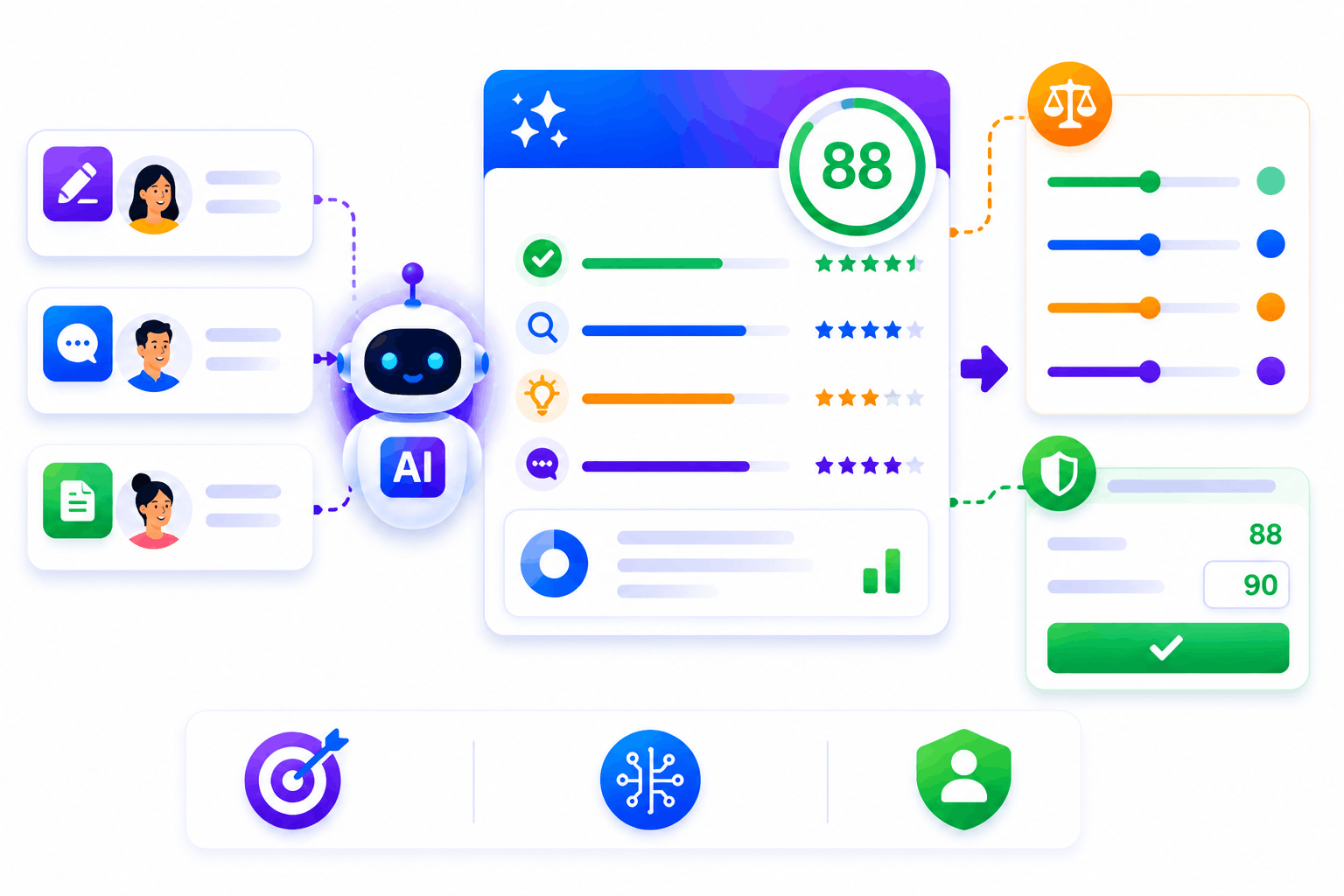
Auto-Enrollment Activates Across Every Course in the Bundle
SimpliTrain triggers enrollment in every course within a bundle simultaneously the moment a learner’s purchase is confirmed. There is no sequential unlock or manual activation required for each module. A learner who buys a five-course compliance certification pathway gets access to all five courses at once and can progress through them in any order you configure. This makes the post-purchase experience immediate and removes barriers between buying and learning.
- Simultaneous multi-course enrollment
- Instant post-purchase access
- Configurable progression order
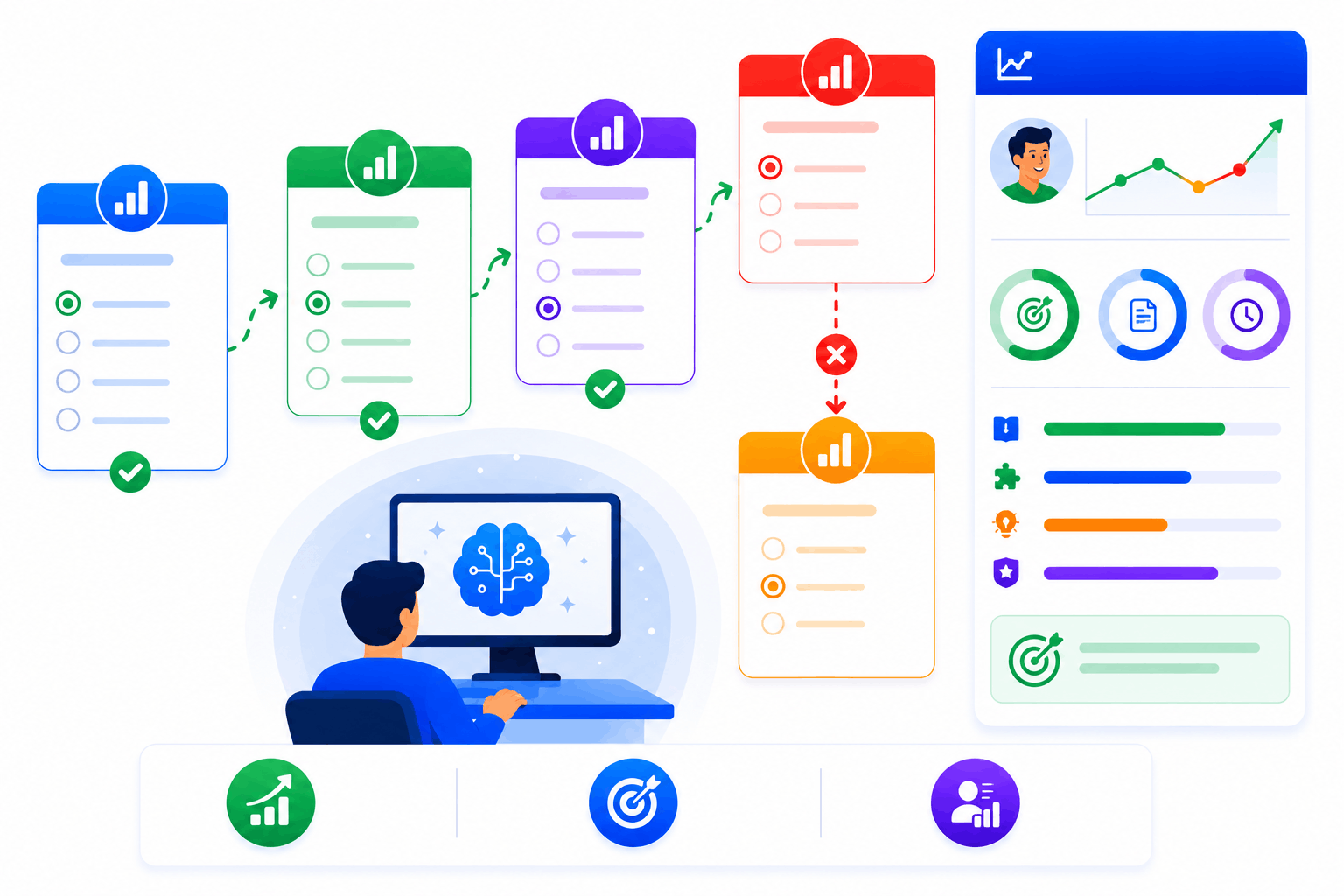
External Platform Purchases Trigger SimpliTrain Bundle Enrollment via API
SimpliTrain receives purchase triggers from external e-commerce platforms including WooCommerce, Shopify, and custom checkout systems and auto-enrolls buyers in the relevant bundle immediately. Your website handles the transaction and SimpliTrain handles full bundle delivery on the backend. This is the preferred architecture for training providers who want to keep their existing sales infrastructure while using SimpliTrain as the delivery and tracking layer. No learner data entry or manual enrollment is required on your end.
- API-triggered bundle enrollment
- External checkout compatibility
- Backend delivery without sales migration
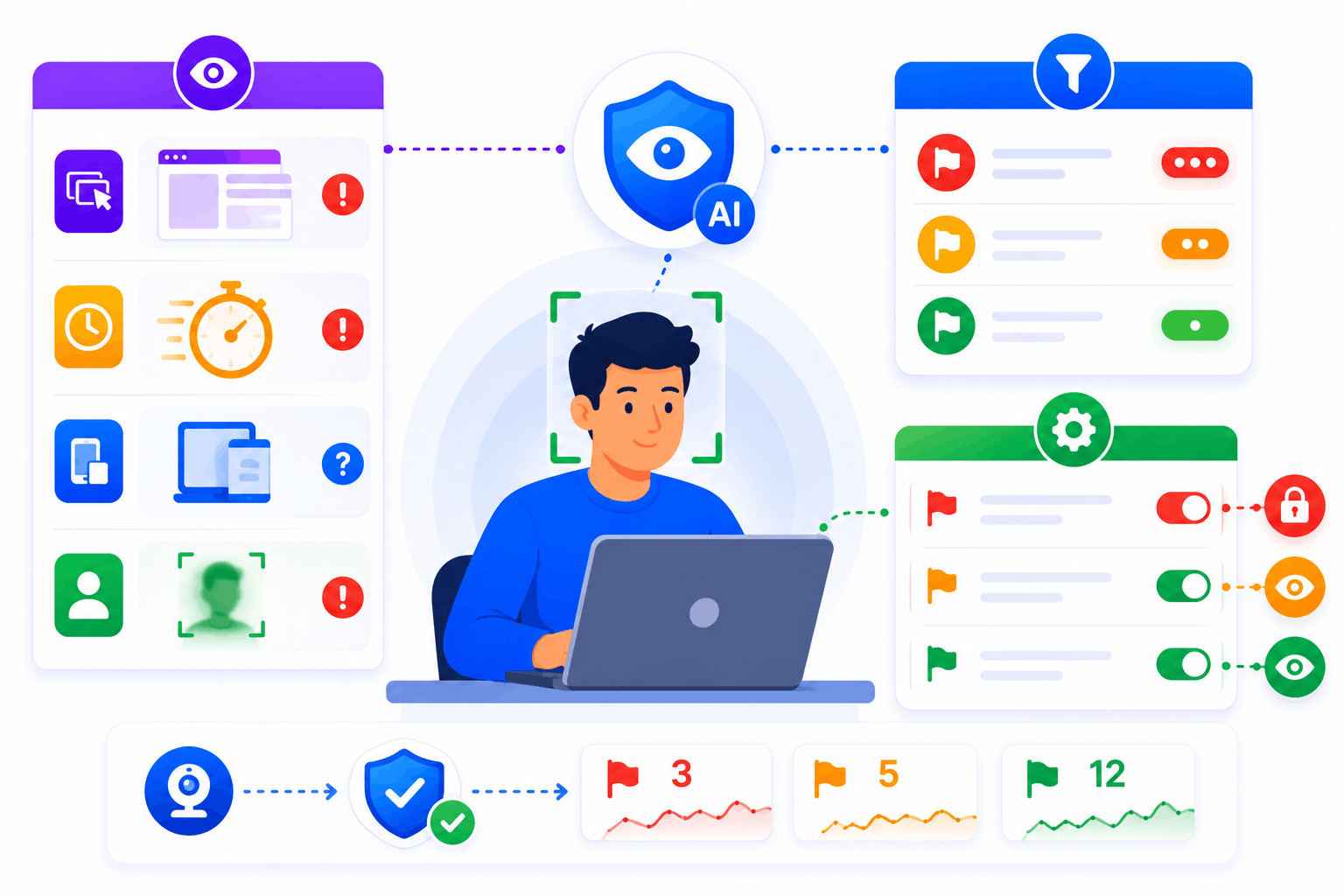
Bundle Pricing That Drives Higher Revenue Per Customer
SimpliTrain’s bundle pricing model allows you to offer a complete program at a flat fee that represents better value than purchasing courses individually. Learners perceive a higher-value offer and you generate more revenue per transaction than single-course sales. You can also create tiered bundles, a core program at one price and an advanced version with additional content at a higher price, to serve learners at different stages.
- Flat-fee bundle pricing
- Tiered bundle configuration
- Per-bundle versus per-course revenue uplift
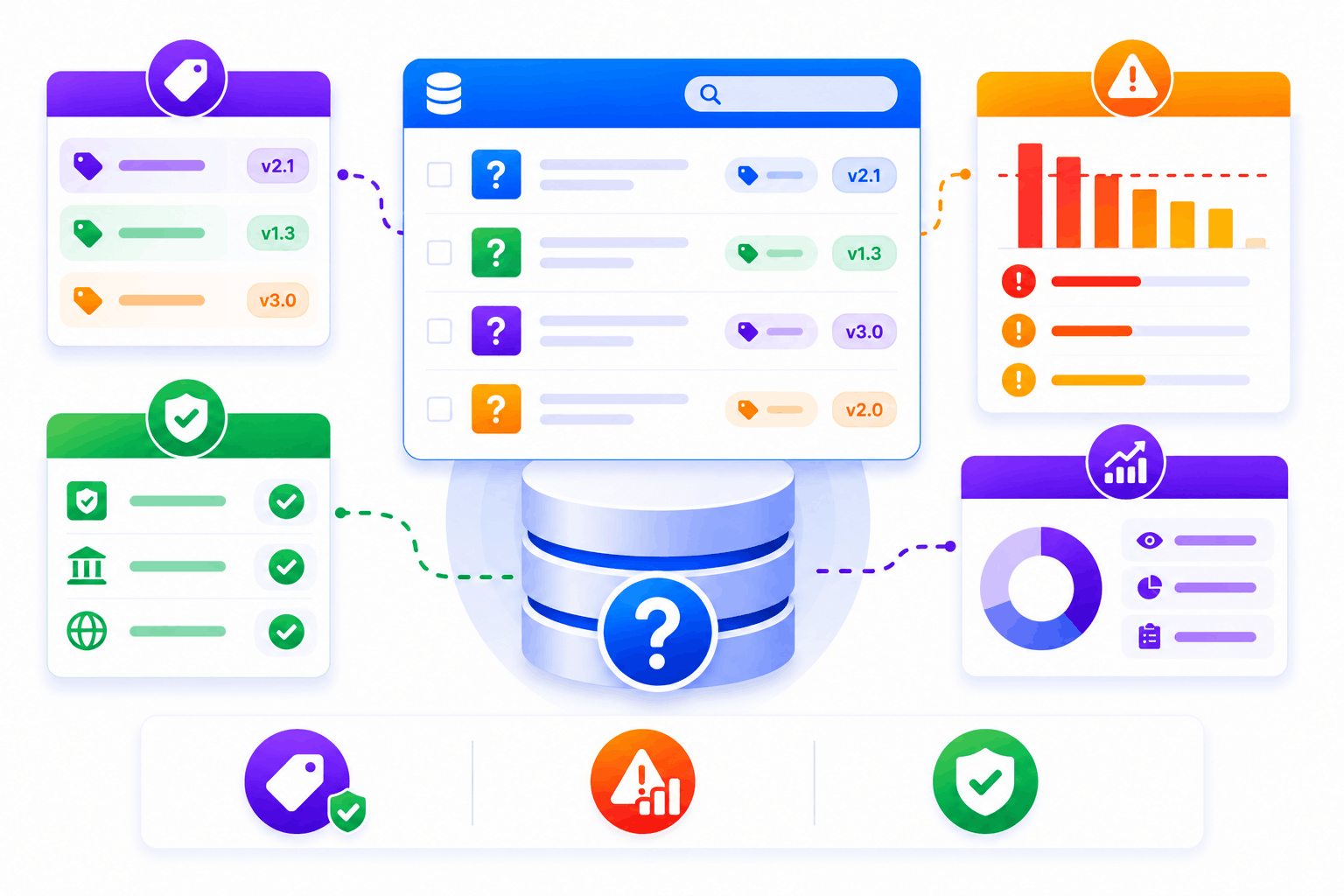
Track Completion and Progress Across Every Course in a Bundle
SimpliTrain gives admins and learners a unified progress view for every bundle purchase showing completion status, assessment scores, and time spent across all included courses. You can see at a glance which learners are progressing through a program and which are stalled. For compliance certification bundles, this audit-ready progress record is essential for demonstrating that every required module was completed before a certificate was issued.
- Bundle-level progress dashboard
- Per-course completion tracking within bundle
- Compliance-ready audit trail
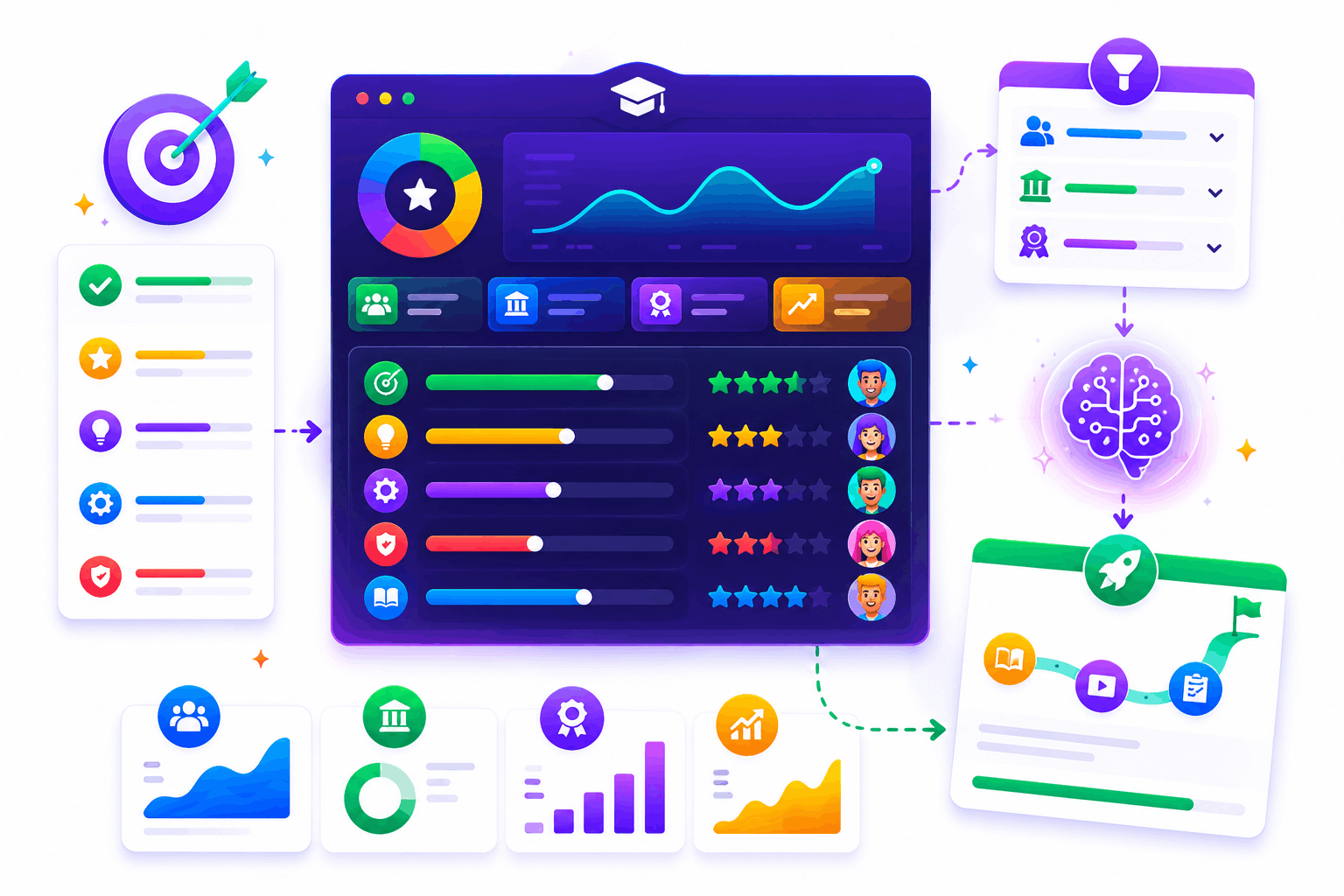
Upload Your First SCORM Course Into
SimpliTrain Today!
Frequently Asked Questions
1. How do I get started with SimpliTrain's Agentic AI Evaluation?
You can sign up for a free SimpliTrain account and access the assessment builder immediately. The onboarding flow walks you through creating your first AI-evaluated exam in under 30 minutes. No implementation support is required for standard setups.
2. What types of assessments does SimpliTrain's AI evaluation support?
SimpliTrain supports multiple-choice, multi-select, open-ended written responses, scenario-based questions, and case study submissions. The Agentic AI Evaluation engine is designed specifically for formats that require contextual judgment. Fixed-format question types are also fully supported within the same exam.
3. Can SimpliTrain integrate with our existing LMS or HR systems?
SimpliTrain connects with major HRMS, LMS, and HRIS platforms via API and supports SCORM and xAPI standards. You can push assessment results and completion data to your existing systems without manual exports. Integration setup is handled through SimpliTrain’s configuration panel without developer support in most cases.
4. How does the adaptive questioning feature decide when to escalate difficulty?
SimpliTrain’s adaptive engine uses item response theory logic to calculate a running ability estimate after each answer. When that estimate crosses a defined threshold, the system pulls a question from the next difficulty tier. You set the thresholds and the question pool structure during exam configuration.
5. Which SimpliTrain plan includes Agentic AI Evaluation?
Agentic AI Evaluation is available on SimpliTrain’s Growth and Enterprise plans. You can review plan-level feature access on the SimpliTrain pricing page or request a demo to see it applied to your specific use case. Free trial access includes a limited evaluation quota for testing purposes.
6. What does the exam experience look like for learners?
Learners access exams through their SimpliTrain dashboard on any device, including mobile. The interface is clean, timed where configured, and does not expose AI scoring logic to the test-taker. They receive results and feedback immediately after submission based on your configured disclosure settings.
7. How does SimpliTrain protect learner data and exam integrity?
SimpliTrain stores all assessment data on encrypted infrastructure with role-based access controls. Exam content, learner responses, and AI evaluation outputs are never used to train external models. You retain full data ownership and can export or delete records at any time in line with your data governance requirements.